Deciding which month is best to visit Chiang Mai depends on what you prioritize most, as each period has its own advantages and disadvantages. Let’s look at the charm and challenges of each season, and which period suits your travel style.
High Season (Late October - February): Good Weather, Crowds, High Costs
This is the most popular time to visit Chiang Mai due to the pleasant, cool weather. In some high mountain areas like Doi Inthanon summit or Huai Nam Dang National Park, temperatures can drop to single digits in the mornings.
-
Pros:
- Excellent Weather: Cool and comfortable, perfect for walking around the city, ascending mountains to experience the cold, and having the chance to see beautiful sea of fog (especially in the early morning).
- Festivals: Features important festivals like Yi Peng (Loy Krathong) in November, with its spectacular sky lanterns, and the lively New Year festivities.
- Activities: Ideal for exploring nature on various mountains, such as Wat Phra That Doi Suthep, Bhubing Palace, or short treks.
-
Cons:
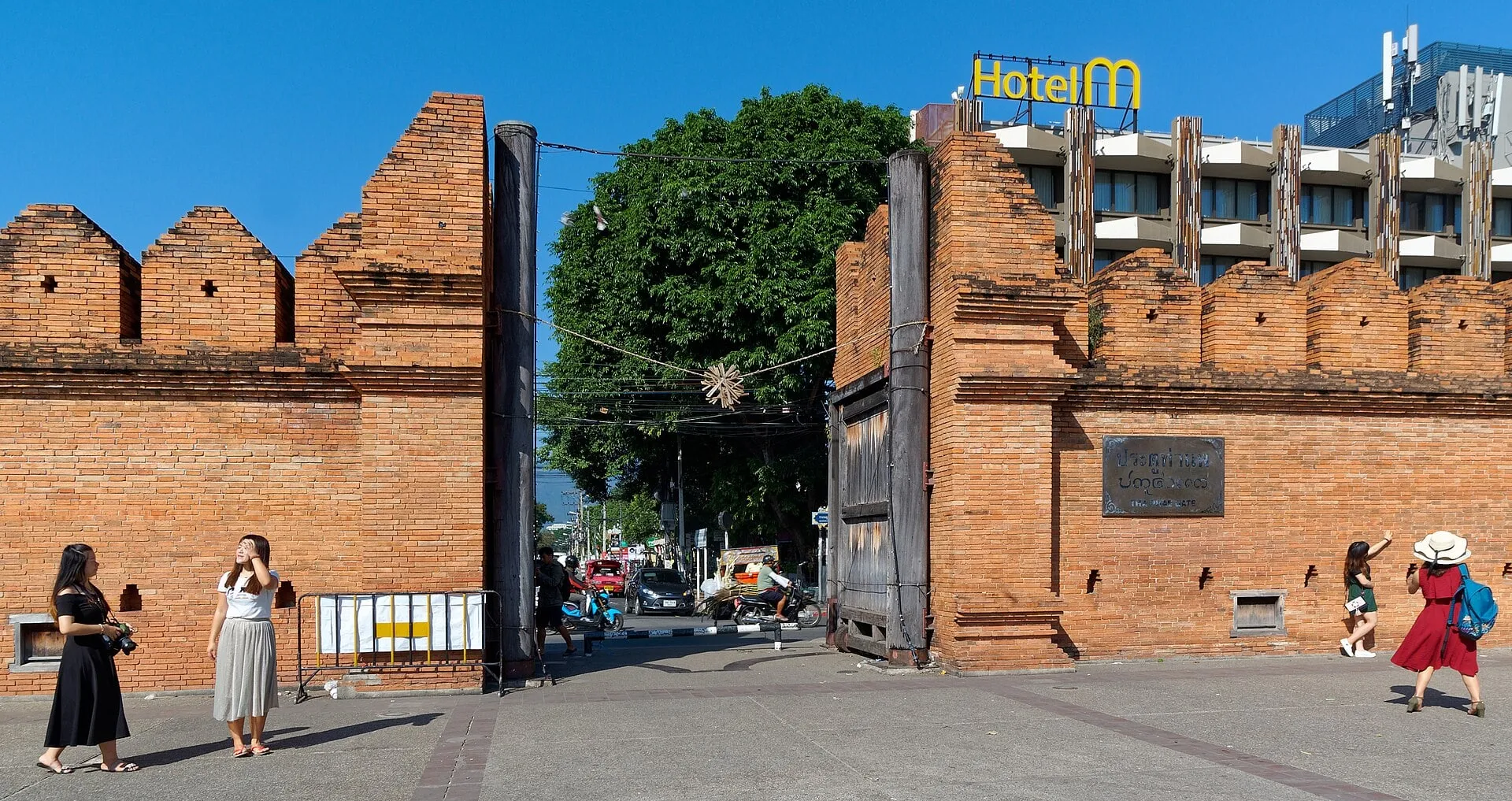
- Very Crowded: Popular tourist attractions such as Tha Phae Gate, Wat Phra Singh, Wat Chedi Luang, or walking streets will be packed with tourists almost every day, leading to traffic jams and longer travel times between points.
- High Costs: Accommodation and air tickets are more expensive and often book up quickly, requiring long advance reservations.
- Service: Due to the large crowds, service at some locations might not be as thorough as during other times.
-
Special Recommendation: If you want to experience cool weather and beautiful nature but avoid excessive crowds, consider visiting in late October or late February. These are transitional periods when tourist numbers are not as dense as during the true peak season. If you plan to attend the Yi Peng festival, be sure to book accommodation and transportation well in advance.
Transitional Period (March - April): Smog and Intense Heat
This is when Chiang Mai faces issues with PM 2.5 dust and sweltering heat, resulting from forest fires and agricultural burning in many areas.
-
Pros:
- Fewer Crowds: Tourist numbers decrease significantly, making travel and visiting attractions more convenient with less competition.
- Accommodation Prices: Accommodation and air ticket prices drop from the high season.
- Festival: Features the Songkran festival in April, a time when Thais enjoy splashing water to cool off.
-
Cons:
- PM 2.5 Dust: Especially in March and early April, air quality can be poor. The sky may be hazy, outdoor views are unclear, and it can affect health.
- Hot Weather: Temperatures are very high during the day, making outdoor sightseeing uncomfortable.
-
Special Recommendation: If you must visit during this period, always carry an N95 mask. Focus on indoor activities like shopping malls, cafes, or museums with air conditioning. Alternatively, choose to go up to higher mountains where the air might be cooler and less dusty, though not entirely free of dust. Scenic views may not be as beautiful as during other times.
Rainy Season (May - Mid-October): Lush Green, Refreshing, Fewer Crowds
This is when nature comes alive again. Forests are lush green, waterfalls are full, and the weather becomes cooler and more comfortable.
-
Pros:
- Beautiful Nature: Lush green forests, beautiful and abundant waterfalls like Wachirathan Waterfall and Mae Ya Waterfall. Perfect for nature lovers and those seeking freshness.
- Comfortable Weather: Cool and comfortable, not hot and stuffy (except for the early rainy season which can still be warm).
- Fewer Crowds: Fewer tourists make travel and visiting attractions convenient and uncrowded.
- Budget-Friendly Prices: Accommodation and air tickets are cheaper, a good opportunity for those on a limited budget.
-
Cons:
- Rainfall: Rain can occur at any time, especially from afternoon to evening, potentially leading to the cancellation of some outdoor activities. Certain mountain routes might be slippery with poor visibility.
- Leeches: If trekking in some areas, leeches may be encountered in damp forests.
- Sea of Fog: The chance of seeing a sea of fog might be lower than in the cold season due to more rain clouds.
-
Special Recommendation: Always carry an umbrella, raincoat, and comfortable, non-slip shoes. If you plan to go up a mountain, inquire about the weather conditions with your driver before departing, as road conditions and visibility can change with rainfall. Bring motion sickness medication if you are prone to motion sickness, as some mountain roads have many curves and may be covered in thick fog.
Summary for a Quick Read
- Want to experience cold weather, fog, and lively atmosphere: Visit during late October - February (but expect crowds and higher prices).
- Limited budget, dislike crowds, prefer city focus: Visit during May - Mid-October (rainy season, fresh nature, but be prepared for rain).
- Avoid: March - April if not necessary, due to hot weather and severe dust/smog issues.
No matter which period you choose to visit, the driver is ready to take care of you throughout your journey.